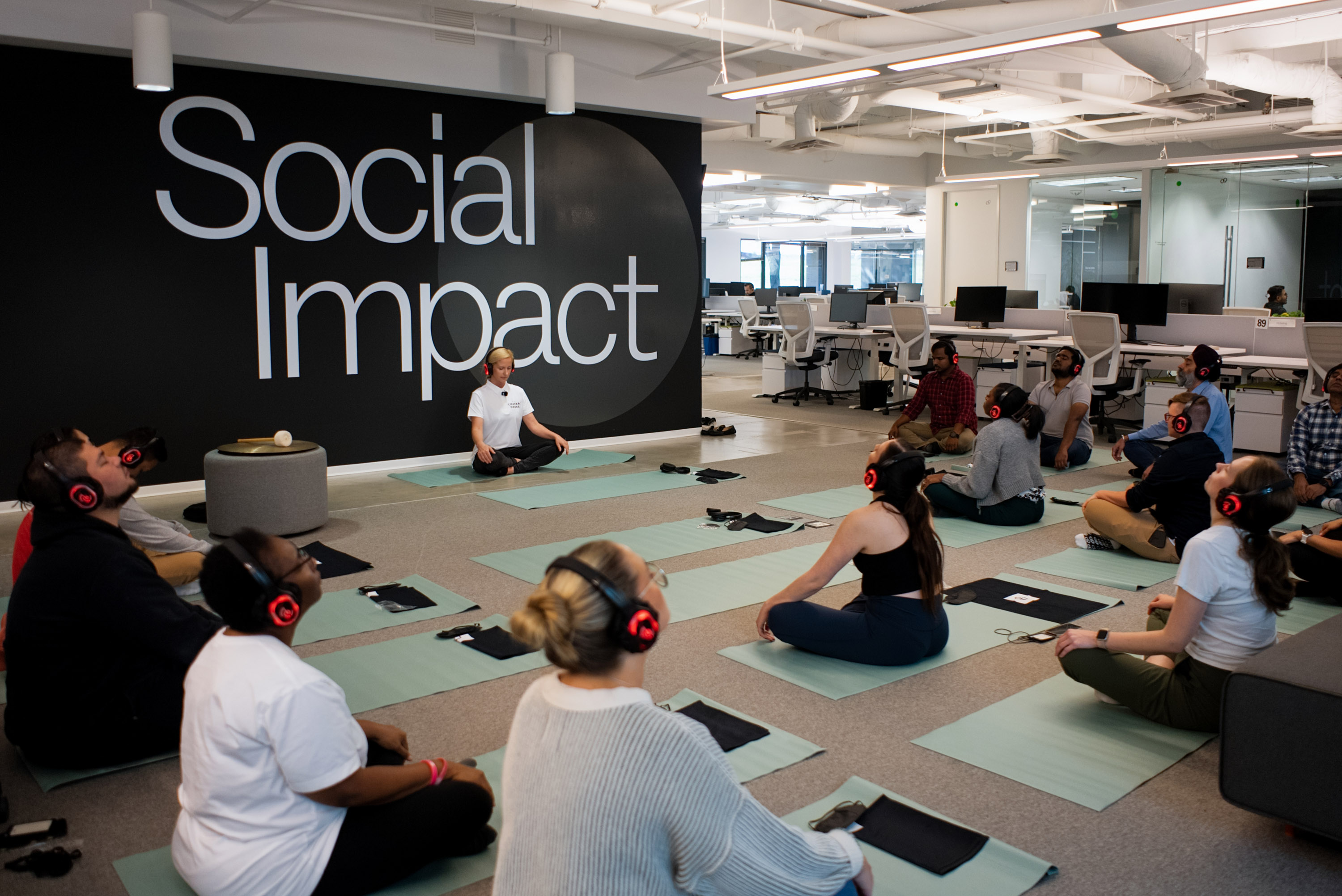
A health fair without a theme is a hallway of tables. A health fair with a theme is an event with a name, a promise, and a reason to show up, and the theme does half your communications work for free. "Join us for the Wellness Fair" gets skimmed; "The Reset Day is coming, leave calmer than you arrived" gets forwarded.
The good news is that a theme costs nothing. It is one decision, made early, that makes every later decision, stations, comms, giveaways, easier. Below are the health fair themes we see land with real employees, mapped to the 2026–2027 calendar, plus how to pick one and turn it into a station lineup.
In this guide, you'll learn:
- Ten employee health fair themes that go beyond "wellness day"
- Which themes fit which months of 2026–2027
- How to pick the right theme for your goal and your building
- How a theme translates into stations, giveaways, and comms
Ten employee health fair themes that actually work
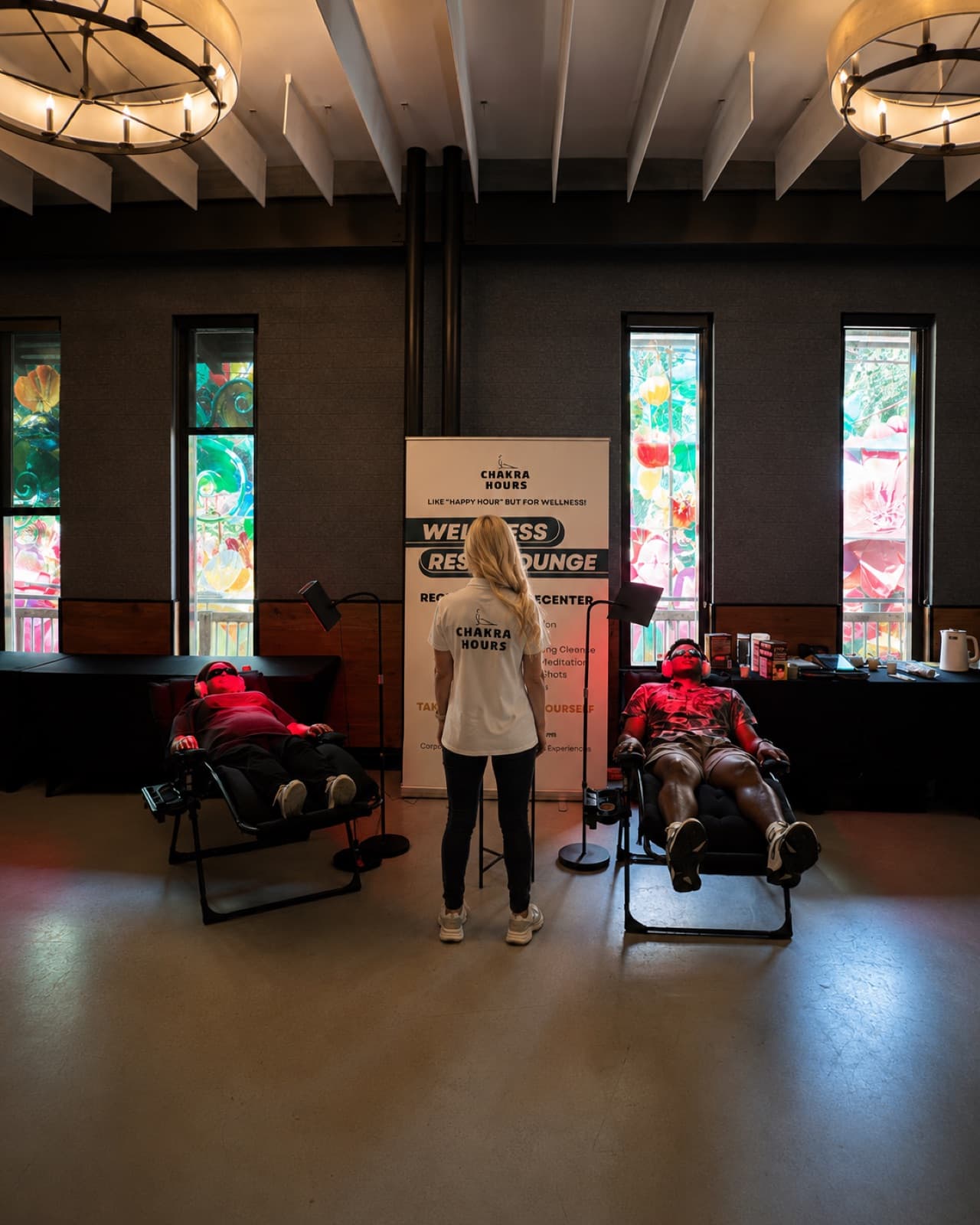
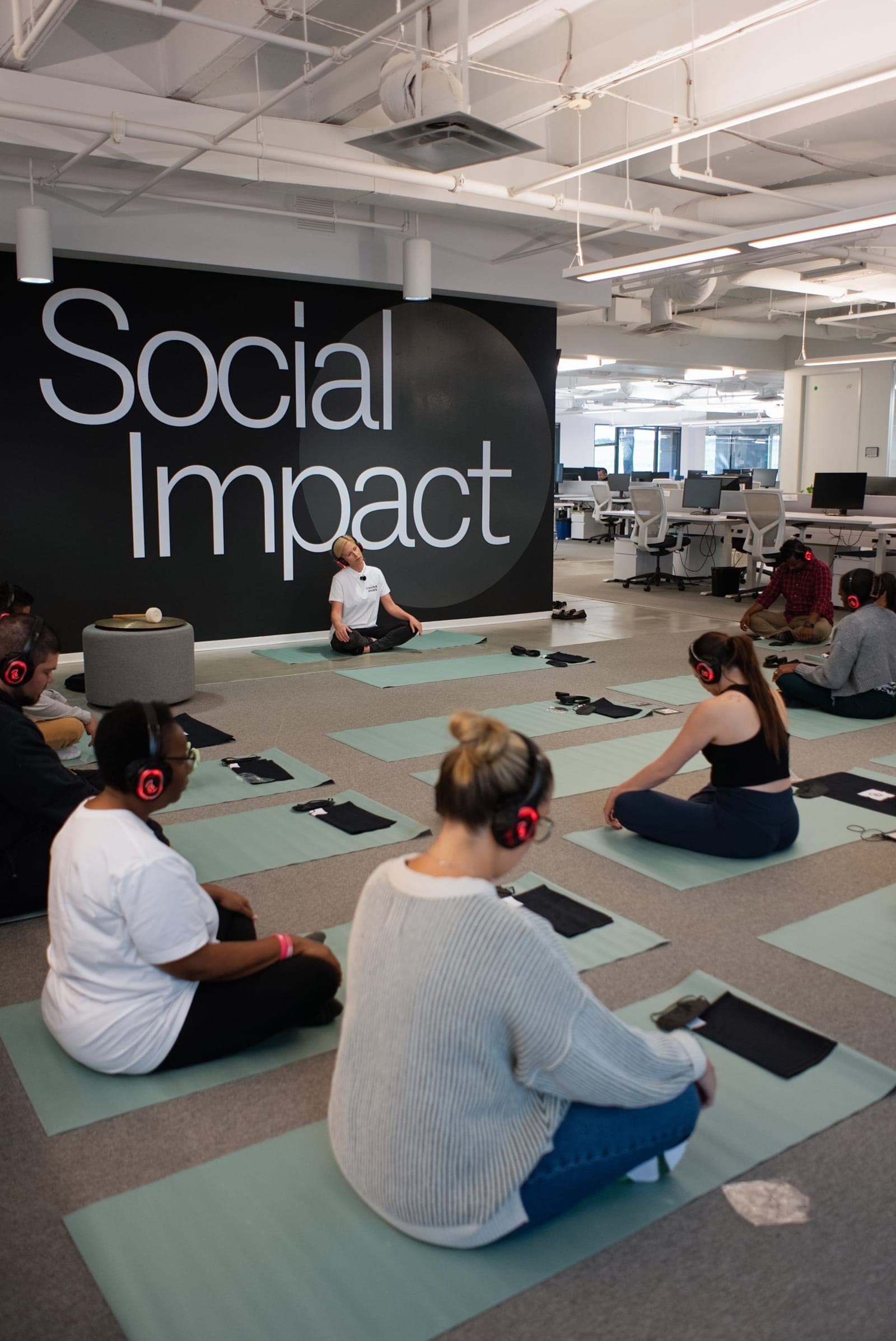
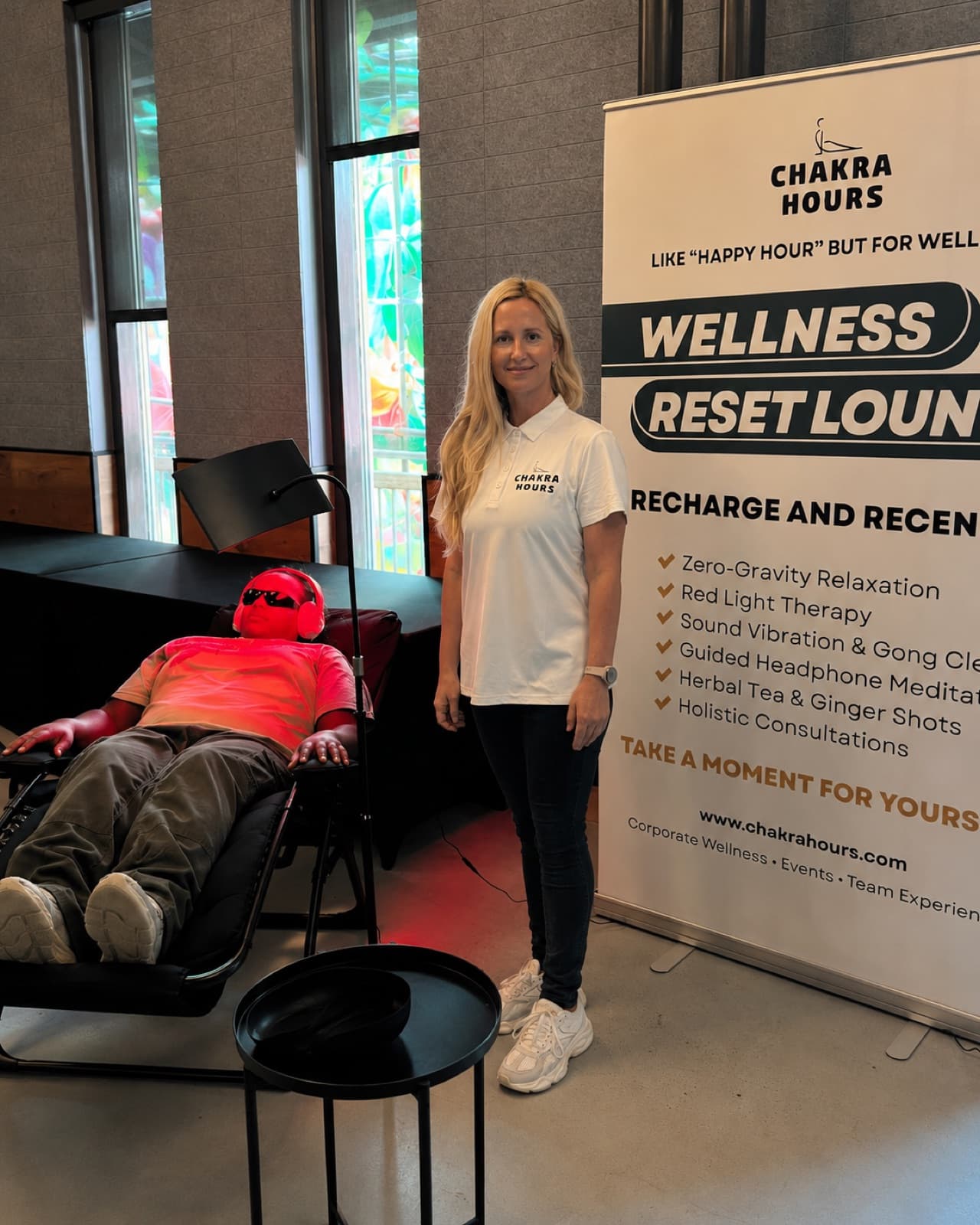
1. The Reset Day. One promise: everyone leaves calmer than they arrived. Anchor it with facilitated calm, a mini sound bath on the half hour, a breathwork station, chair yoga, a recharge lounge, and keep the informational tables to the edges. This is the most repeatable theme on the list, and it works in any month, which makes it the safe pick for a first fair.
2. Benefits & Breathing Room. The open-enrollment fair, reframed. Benefits and carrier tables carry the information; calm stations keep people in the room long enough to actually ask their plan questions instead of grabbing a summary and leaving. Schedule it two to three weeks before your enrollment deadline so the conversations still matter.
3. Recharge Week. The theme stretched across five days: one experience per day instead of one big afternoon. Monday chair yoga, Wednesday sound bath, Friday guided walk. Ideal when you have no single space large enough for a full fair, or a hybrid workforce that is never all in the building on the same day.
4. Fresh Start, No Resolutions. A January fair themed around small, keepable changes, sleep, energy, one-minute practices, with an explicit no-resolution framing. January wellbeing events usually over-promise; this one wins by under-promising.
5. Stress Less. Built for April, Stress Awareness Month, when the theme comes with a ready-made national hook. Stations skew practical: breathwork people can redeploy at their desk, a quiet lounge, a short "what stress actually does" mini-seminar.
6. The Mental Health Fair. For May (Mental Health Awareness Month) or the week of World Mental Health Day in October. Pair the EAP table with experiences rather than leaving it alone in a hallway; people visit an EAP table sitting next to a sound bath room far more readily than one sitting by itself.
7. Summer Slow-Down. July and August fairs fight vacations and heat, so lean into it: hydration station, early-time-slot guided walks, shade if any part runs outdoors, and a schedule that respects half-empty offices. Smaller, calmer, unhurried.
8. Move More, Sit Less. A movement theme without the gym-culture edge: chair yoga in work clothes, an ergonomics check, a walking break that leaves on the hour. The bar to participate stays low, which is the whole point.
9. The Quiet Fair. An introvert-first event: headphone meditation, a reading-and-tea corner, a recharge lounge, no raffle announcements over a microphone. Roughly half your workforce quietly wishes every fair were this one.
10. Gratitude & Wind-Down. A November or December theme for closing the year: reflective, low-key stations, good tea, a wind-down sound bath, and a thank-you tone from leadership rather than another push for participation metrics.
Timing your theme: the 2026–2027 calendar
The fastest way to give a theme weight is to anchor it to a date the calendar already provides. For the year ahead:
- Fall 2026: open enrollment season makes Benefits & Breathing Room the obvious October–November play, and World Mental Health Day (October 10) anchors The Mental Health Fair.
- Winter 2026–27: Gratitude & Wind-Down in December, Fresh Start, No Resolutions in January.
- Spring 2027: Stress Awareness Month makes April the natural home for Stress Less, and May's Mental Health Awareness Month carries its fair for you.
- Summer 2027: Summer Slow-Down or a Recharge Week built around whoever is actually in the office.
Our HR wellness calendar lists the awareness days worth planning around, and the awareness months guides go deeper on the four biggest ones, including session ideas that double as fair stations.
How to pick one
Four questions settle it, usually in ten minutes:
- What is the goal? If it is benefits literacy before enrollment, the theme is Benefits & Breathing Room, done. If it is morale after a hard half, it is The Reset Day. Let the goal choose.
- What does the calendar hand you? A theme with a built-in awareness month or enrollment deadline needs half the comms effort of one you invent from scratch.
- What does the building allow? No large space means Recharge Week. A spare conference room means you can run the quiet, door-required stations that make Reset Day and Quiet Fair work.
- Who never comes to these things? Pick the theme that lowers the bar for them, not the one that excites the people who already attend everything.
How a theme maps to stations
A theme is only real once it decides the floor plan. The pattern: one anchor experience that embodies the theme, two or three backbone tables that carry the information, and a giveaway that repeats the message after the fair ends.
Take The Reset Day: the anchor is a mini sound bath or recharge lounge, the backbone is your EAP and benefits tables, and the giveaway is a printable desk-reset card people prop against their monitor. For Benefits & Breathing Room, the anchor and backbone swap importance, benefits tables take center stage, staffed with people who can answer real plan questions, and one calm station keeps the room from feeling like a queue at the DMV. Clinical stations, screenings and flu shots, slot into any theme; your broker or carrier arranges them, so ask before you budget a dollar there.
For the full menu of anchor stations and what each costs, our corporate health fair vendors guide breaks down formats and pricing, and the station ideas in our health fair ideas for employees post all sort neatly under the themes above.
Turn the theme into a plan
Once the theme is chosen, the rest is project management: our printable health fair checklist runs the whole build on a 12-week cadence, and the step-by-step planning playbook walks each stage. If your team is in Dallas–Fort Worth, we run the experiential side of themed fairs end to end, see corporate health fairs in Dallas for the station menu, all-in pricing, and a three-week lead time.
If The Reset Day is the theme, our employee wellness day page shows the two-room rotation as it was actually run: the schedule, the capacity, and the price.
And if you are torn between two themes, run the calmer one. Nobody has ever left a health fair complaining it was too relaxing.